Detailed Farm Overview Explaining Formal Aid Applications And Efficient Crop Irrigation Methods
Introduction
Indian villages power our nation with food, milk, and seasonal crops. Yet many growers struggle with dry soil, pest attacks, and low selling rates. Complicated papers often hide helpful state grants from ordinary village folks. Hard words create confusion, so growers need easy guides to run their farms. Reliable facts protect family savings and turn small plots into profitable lands. The online hub mahto.in collects these everyday facts for village readers across our states. It shares direct advice on seeds, manure, cattle care, and crop tools. You can read these helpful tips on your handheld mobile phone anytime. Honest facts guard your daily labor against bad weather and sudden market drops. New skills also help village youths set up lively home ventures. Explore this guide to discover simple methods that boost your regular rural earnings.
Simple Farming Help for Everyday Needs
Field work demands sweat, patience, and clear thinking from dawn until dusk. Growers must pick the right planting week to secure good harvests. They also need honest price updates to beat greedy middle buyers. Without fresh market news, hardworking families lose a big share of their earnings. Timely guidance shields growers from ruinous crop rot and bug infestations. You need plain steps to test field soil, spread manure, and spray bugs. You also need smooth steps to secure official farm loans with minimal fees. The website mahto.in serves as a friendly guide for rural families everywhere. It explains water-saving drip tools and organic leaf sprays in short sentences. It teaches you how to present land papers to local bank managers. Clear facts lower your production expenses while raising your final crop output.
What MAHTO.IN Offers
The digital platform mahto.in delivers Hindi-first rural education for hardworking village households. It turns heavy farm science into warm, conversational advice that anyone can grasp. Readers discover modern planting methods, cattle shelter blueprints, and daily bazaar rates. The team simplifies government relief plans without using dense legal jargon. Young villagers also study safe commercial paths to launch profitable home ventures. The portal posts timely weather warnings so you can harvest before storms hit. It explains pure water habits, organic soil compost, and village uplift steps. Readers need no special schooling to benefit from these clear writings. Every post relies on short lines and common village words for easy reading. The writers verify facts from verified state sources to keep your family safe. Visit this site weekly to sharpen your skills and build stable farm wealth.
Main Topics Farmers Can Find
The portal arranges useful lessons into distinct groups so visitors locate answers rapidly without delay. You can select an area of interest and quickly gather practical knowledge across five primary subjects:
- Crop Manuals: Master proper soil prep, optimal sowing windows, hand weeding methods, and dry crop storage.
- Welfare Schemes: Discover applicant eligibility criteria, essential paper needs, and direct fund transfer steps.
- Animal Husbandry: Learn balanced cattle feeding, dry shed care, vaccine timing, and clean milk collection.
- Mandi Quotations: Track crop rates across nearby district markets before you load and move transport trucks.
- Rural Enterprises: Launch backyard chicken coops, plant nurseries, spice grinding units, and farm machinery rentals.
Every section gives direct tips so you can solve problems on your land fast.
Farming Information in Hindi
English farm magazines puzzle many growers because they use stiff words. Providing rich farming information in Hindi removes this painful language barrier for everyone. Readers grasp instructions instantly when they read in their daily mother tongue. They understand compost ratios and field watering cycles without second-guessing themselves. They identify destructive leaf worms early before entire crops wither away. They also mix botanical pest sprays that spare helpful honeybees and earthworms. Simple Hindi manuals teach the right sowing depth for tiny millet seeds. You also discover how to store dry grain bags away from damp floors. Proper storage prevents fungus from spoiling your harvest during wet monsoon weeks. The team behind mahto.in crafts each field guide in easy Hindi. Accurate understanding prevents costly errors and builds pride across our village fields.
Government Schemes for Farmers
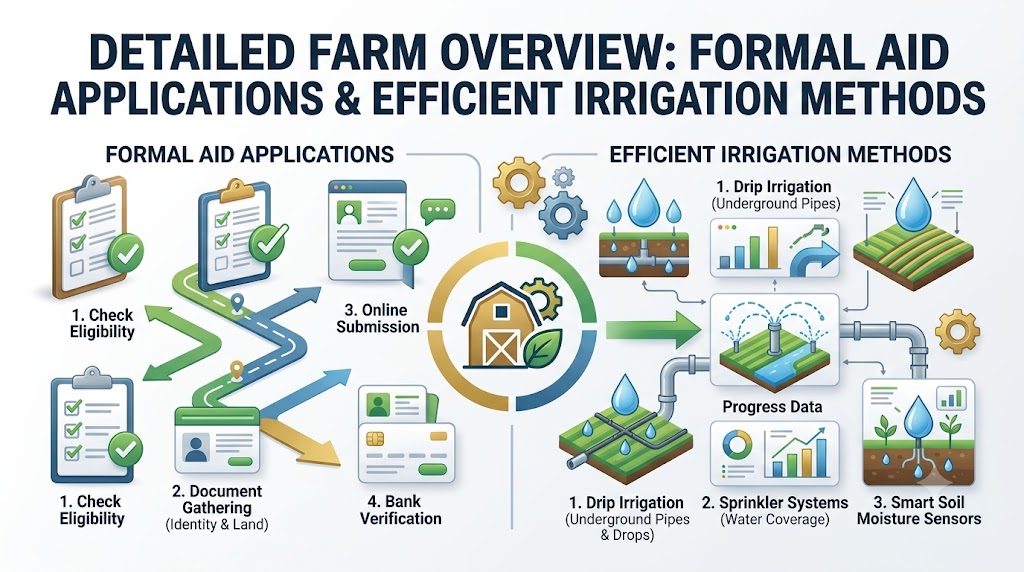
State agencies run valuable welfare programs to lift up farming families across the land. Still, thousands of villagers miss these benefits because nobody explains the rules clearly. People rarely know which government counter to visit or which certificate to bring. You must review available government schemes for farmers to claim your legal share. These funds help you buy certified seeds, drip pipes, solar pumps, and tractors. They also provide cash payouts when unseasonal hail flattens your standing wheat. Gather your land deed, bank passbook, and national identity card in a folder. Connect your working mobile phone number to your identity proof without delay. Always verify current guidelines through official channels before you hand over any papers. Rules adjust frequently, so steer clear of misleading rumors spread by tea-shop strangers. The platform mahto.in breaks down these public programs into plain steps so you finish fast.
PM Kisan eKYC and Kisan Credit Card
Two essential financial tools provide direct relief to Indian farming families each season. First, every registered grower must complete their PM Kisan eKYC on schedule. This quick digital verification routes grant money directly into your personal bank account. You can complete this check at a nearby digital center with a thumb scan. You can also finish it at home using a secure text code. The second vital resource is the low-interest Kisan Credit Card issued by rural banks. This card supplies instant credit to purchase quality seeds, diesel, and organic manure. It frees you from borrowing cash from local lenders who charge steep interest. Carry your land records and identity cards to your neighborhood bank branch today. Clear your loan balance every year to maintain low interest rates. The portal mahto.in outlines each requirement clearly so you finish your paperwork without stress.
How to Check Mandi Prices
A mandi serves as the central trading yard where growers bring their truckloads of crops. Daily crop rates fluctuate constantly based on local supply levels and merchant interest. If fifty farmers bring sweet potatoes on one morning, rates crash down immediately. When arrivals shrink, merchants compete actively and bid higher rates for good produce. Clean, dry, uniform grains always fetch a premium over dirty or damp harvests. You must also calculate tractor rental and fuel costs before traveling to distant towns. For these reasons, you should study how to check mandi prices before picking your crops. You can consult online agricultural portals on your phone to compare rates across three markets. If your nearby yard offers poor rates, drive to another yard that pays more. Never accept the first low offer from an aggressive village middleman. Checking current numbers grants you the leverage to demand fair compensation for your labor.
How to Grow Paddy
Paddy represents rough rice grains that still wear their golden outer hulls. Countless rural families want to discover how to grow paddy with high grain returns. Start by tilling your soil deeply and blending in generous amounts of decomposed cow manure. Choose disease-resistant certified seeds from an authorized local seed depot. Soak your seeds in clean buckets and cultivate vibrant green sprouts in a raised bed. Transplant the strong green shoots into mud-flooded paddies after three weeks of nursery growth. Maintain two inches of still water around the young plants during their vegetative surge. Pull out invasive weeds by hand because weeds steal fertilizer away from your rice. Inspect leaf tips often for telltale yellow marks or harmful stem bugs. Drain all water from the field ten days before the final cut. Lay your harvested rice flat under the warm sun to dry thoroughly before bagging.
How to Start Goat Farming
Goats thrive on rugged terrain and provide steady cash for small village homesteads. Ambitious rural workers frequently ask how to start goat farming with small cash reserves. Begin by building a raised shed that blocks cold drafts and stays dry underneath. Damp ground causes hoof sickness, so scatter dry paddy straw across the floor. Purchase sturdy young goats from a recognized native breed through reliable local breeders. Indigenous breeds survive seasonal heat and local diseases much better than imported animals. Offer your herd fresh green weeds, dry foliage, and crushed grain mash every day. Supply pure well water in clean tubs twice a day without fail. Contact a government animal doctor to administer routine anti-disease injections according to schedule. Record your feed purchases, medical bills, and sale receipts in a physical ledger. Market your mature male goats during festive periods to secure top market prices.
Village Business Ideas
You can build a comfortable livelihood right inside your native village borders. Energetic villagers can launch creative village business ideas with modest starting funds. A modest dairy venture with two high-yielding cows delivers reliable milk morning and night. You can supply milk to surrounding neighbors or a state dairy cooperative. Raising broiler chicks for nearby food stalls brings quick cash cycles within six weeks. You can also cultivate a plant nursery to sell mango and guava seedlings. Operating a small spice-grinding unit or oil press meets steady daily village needs. Some families purchase a small power tiller and lease it out by the hour. Always inspect neighborhood shopping habits before investing your precious savings into equipment. Track repair fees, power bills, and packaging costs in a clean budget ledger. Launching with a compact setup protects your family against sudden financial setbacks.
How to Start Organic Farming
Organic farming relies on natural cycles instead of artificial fertilizers and dangerous chemical sprays. Health-conscious city shoppers willingly pay extra cash for naturally grown vegetables and grains. You should discover how to start organic farming by restoring your field soil first. Stop spraying synthetic chemical bug poisons on your plots right now. Build rich compost heaps by combining cattle dung, dry leaves, and green crop trimmings. Natural compost feeds beneficial underground worms and helpful microbes that nurture plant root systems. Brew garlic mixtures, sour curd, and neem sprays to chase away destructive insects. Alternate your crops every planting cycle to keep the ground fertile and balanced. You can seek a government organic certificate after practicing these clean methods for three years. This official certificate verifies your pure produce and unlocks premium retail prices. Soil renewal requires several seasons, so remain dedicated to the natural path.
Livestock Farming Information
Domestic farm animals function as dependable assets for hard-working village households across India. You can study complete livestock farming information to maintain animal vitality and milk output. Every animal requires a clean shelter that shields it from freezing rains and summer sun. Provide your cows and buffaloes with balanced green fodder mixed with chopped wheat straw. Blend mineral powders into their feed ration to promote high milk production and strong bones. Sweep dung away every sunrise to prevent dangerous fly swarms and painful foot ulcers. Stagnant puddles carry harmful stomach parasites, so always supply fresh well water. Maintain a paper notebook to record vaccination dates, mating cycles, and birth events. If an animal skips its food, fetch a certified veterinary assistant immediately. Strong, healthy livestock produce more milk and generate steady monthly income for your home.
Real-Life Scenarios / Experiences
- Bikram sells his fresh ginger: Bikram harvested seven bags of clean ginger from his small backyard plot. A roving trader stopped by and offered thirty rupees per kilo right on the road. Bikram opened market listings on his phone and spotted fifty rupees in the sub-division mandi. He hired a small cart, hauled his sacks to town, and took home extra profit.
- Geeta updates her bank records: Geeta stopped receiving her farm welfare aid in her savings account for eight months. She walked to the local service counter and learned her account lacked proper thumb verification. She completed her digital identity scan and linked her current phone number on that spot. The state system verified her file and deposited all back payments within three weeks.
- Deepak creates a small poultry unit: Deepak held five thousand rupees and an empty shed next to his cows. He layered dry rice husks on the clean floor and put up fine wire mesh against wild cats. He brought home thirty day-old chicks and fed them clean crushed maize and fresh water. He sold the mature birds to a neighborhood food stall and recovered his investment quickly.
Common Mistakes to Avoid When Choosing Delhi Events
- Purchasing untracked local seeds: Growers frequently purchase cheap, loose seeds from roadside peddlers to cut seasonal expenses. These unverified seeds fail to sprout properly and generate patchy, weak field crops. Always purchase certified seed bags stamped with authorized state testing marks.
- Dumping excess chemical sprays: Impatient growers drench their crops in strong chemical bug sprays at the first sign of a leaf spot. This practice kills friendly predator bugs, hardens the topsoil, and burns family savings. Apply gentle botanical neem sprays first and deploy strong chemicals only during extreme emergencies.
- Ignoring animal vaccination schedules: Villagers often wait until cattle develop fevers before they summon an animal specialist. Contagious livestock illnesses travel swiftly and can wipe out entire barnyards within days. Schedule annual shots with your local veterinary hospital to keep every cow and goat safe.
- Selling produce without market research: Farmers often hand their harvest to the very first wholesale merchant who knocks on their door. These traders offer rock-bottom rates because rural growers rarely track current city market bids. Check daily mandi rates across several district yards before you agree to any sale.
- Neglecting annual bank paper updates: Families brush off text messages from banks and ignore outdated mobile numbers on their passbooks. Consequently, state relief checks bounce inside the system and linger unpaid for months. Step into your local bank branch every spring to refresh your identity paperwork and verify records.
- Allowing cattle to drink dirty ditch water: Many farmers drive their cattle into murky roadside drainage ditches to drink. Muddy ditch water infests animal guts with damaging worms that slash daily milk yields. Offer cool, fresh drinking water drawn straight from hand pumps or deep tube wells daily.
- Buying heavy tools without customer orders: Villagers sometimes purchase costly crop processing machinery without verifying local customer demand. The machine sits abandoned in a courtyard while bank interest accumulates on the unpaid loan. Survey nearby neighbors, calculate operating fuel costs, and check spare part prices before buying equipment.
- Applying fertilizer without previous soil testing: Farmers often broadcast expensive urea over their soil without knowing which minerals their dirt truly lacks. Excessive fertilizer salts burn tender plant roots and ruin natural soil health over time. Send dirt samples to a state soil lab every other year to apply only what your plants require.
How MAHTO.IN Can Help
Modern farming techniques move fast, and village families deserve a single, trustworthy space for clear answers. The educational portal mahto.in gathers crop instructions, veterinary care, and scheme announcements in one accessible hub. It presents every article in clear, respectful Hindi so any family member can read without hesitation. You will discover plain steps to apply for state cards and low-cost farm loans. You can also pick up sensible village business ideas suited to your personal bank balance. The site skips complicated words to help you make secure choices for your farm. You will find four primary resource sections waiting inside the platform:
- Field Cultivation: Study sowing calendars, disease remedies, and seed selection methods for major cash crops.
- Animal Wellness: Discover balanced feed rations, clean shed floor designs, and seasonal care for farm cattle.
- Public Support: Follow step-by-step paperwork guides to claim government grants, subsidies, and crop insurance.
- Rural Prosperity: Uncover low-risk village commercial ideas and daily produce rate tracking techniques across districts.
Reading mahto.in each week keeps your farming practices sharp, resilient, and consistently rewarding for your household.
Frequently Asked Questions
1. What is the website mahto.in about?
The website mahto.in serves as a friendly digital library for Indian agricultural families and village residents. It shares easy-to-read crop manuals, livestock management advice, government scheme announcements, and practical rural business concepts. The team writes every guide in straightforward Hindi so readers understand every step without needing specialized technical training.
2. Why should farmers read farming information in Hindi?
Farming information in Hindi allows rural growers to learn quickly without struggling through unfamiliar English vocabulary. Reading in their everyday spoken language helps farmers absorb soil nourishment techniques, planting dates, and pest remedies thoroughly. This solid understanding prevents expensive mistakes in the field and supports healthier, more bountiful crop yields each harvest.
3. How do I complete my PM Kisan eKYC properly?
Complete your PM Kisan eKYC by bringing your national identity card to a nearby village digital service counter. You verify your identity details by placing your thumb onto their electronic scanner. Alternatively, complete the step on your own smartphone by entering the one-time code sent directly to your linked mobile number.
4. What are the main benefits of a Kisan Credit Card?
A Kisan Credit Card grants farmers affordable bank loans at subsidized interest rates to manage daily agricultural costs. You can invest these funds into certified seeds, crop sprays, animal feed bags, and irrigation machinery fuel. It shields village households from private money lenders who charge crippling interest rates that ruin family savings.
5. How can a farmer check mandi prices from home?
Track mandi prices directly on your phone by visiting government agriculture portals and recognized market information websites. These digital tools list daily closing bids for grains, pulses, and vegetables across nearby district trading yards. Checking daily numbers enables you to select the most profitable market and negotiate firmly with merchant buyers.
6. What is the best way to grow paddy successfully?
Grow healthy paddy by mixing ample aged cattle manure into your tilled mud field before planting begins. Sprout certified seeds in a nursery bed and transplant the green seedlings into standing water after three weeks. Pull out weeds early, maintain steady water levels, and dry your harvested crop under the sun before bagging.
7. Is goat farming a safe business for beginners?
Starting a goat farming venture represents a sensible business choice because goats eat common forage and require small investments. You only need a well-ventilated, dry shed and strong native breeds to launch your small herd safely. Provide timely medical vaccines and fresh, clean drinking water every day to keep your animals free from disease.
8. Which village business ideas require small initial savings?
Launch a compact goat unit, a backyard chicken coop, or a small vegetable nursery using modest family savings. Setting up a local flour grinding mill or a milk drop point also demands minimal capital up front. Always confirm that your immediate village neighbors want your goods before you spend your hard-earned cash on inventory.
9. How does a grower start organic farming safely?
Adopt organic farming gradually by substituting synthetic chemicals with natural cow manure compost and botanical neem sprays on one small plot. Never convert your entire acreage overnight; test your methods on a small section first to gain confidence. Feed your soil natural organic waste and alternate your seasonal crops to keep the earth healthy.
10. Where can I find reliable livestock farming information?
Discover dependable livestock farming information on rural knowledge platforms like mahto.in and official animal health portals. Local state veterinary dispensaries also supply free health pamphlets and show owners how to mix balanced animal rations. Practicing sound animal care keeps your cows and goats productive, healthy, and capable of generating daily household income.
11. Do government schemes for farmers give free money to everyone?
Government programs do not distribute free money indiscriminately without first confirming strict applicant eligibility criteria. Every public welfare initiative enforces precise rules regarding landholding size, household income brackets, and required identification documents. Always review current official scheme guidelines carefully before filing your application to avoid wasted effort and unexpected rejections.
12. How often should a farmer test their farm soil?
Submit your farm soil for testing once every two to three years at an authorized government testing facility. The resulting laboratory soil card reveals your field's exact nutrient profile and pinpoints which fertilizers you actually need to add. Testing your dirt prevents you from wasting money on unneeded chemicals that spoil ground balance.
CONCLUSION
Timely access to clear rural facts empowers farm owners to master modern methods, plan seasonal budgets, and secure higher family profits. When you follow daily market prices, proper seed selection, and preventative livestock care, you protect your hard work from avoidable disasters. Government grants provide welcome relief, but you must always verify active rules and paperwork deadlines directly with local administrative offices. The digital guide mahto.in gathers these practical crop instructions, loan steps, and small enterprise ideas into one convenient space. Consult trusted farming manuals, maintain organized land records, and consult local agriculture officers whenever challenges appear. Clear village knowledge transforms exhausting farm labor into a dignified, prosperous life for your entire household.