A Clear Practical Guide For Finding Safe Fertility Care
Introduction
Families begin in different ways, and modern clinical science offers remarkable pathways for hope. Stepping into the fertility world brings fresh questions about medical tests, clinic visits, and care options. This detailed guide breaks down complex medical concepts into easy, bite-sized facts. We explore the essential stages of assisted reproduction, standard clinic bills, and reported outcome data. Readers also discover facts about international travel care alongside specialized lab tests for eggs and sperm. Reliable research portals like IVFHospitalsNow help you examine verified clinic details without sales pressure. Every body has unique needs. Building a strong foundation of simple knowledge allows you to ask meaningful questions when you speak with your medical team.
What Is IVF Treatment?
Doctors unite an egg and sperm inside a specialized glass laboratory dish. Patients take daily hormone medicines for two weeks to stimulate egg growth. Next, a physician gently collects these mature eggs using a small, guided needle. Laboratory scientists combine the collected eggs with healthy donor or partner sperm. Successful fertilization creates an embryo, which represents an early cluster of cells. The scientific team monitors these growing cells inside warm incubators for five days. Then, a physician transfers one top-quality embryo directly into the uterus. However, assisted reproduction does not guarantee success for every single person. The physical journey also demands time, patience, and emotional strength.
Understanding IVF Treatment Cost
Medical centers set different prices based on their location, equipment, and staff experience. You will encounter several clear billing tiers as your care progresses:
- Diagnostic baseline: Blood draws and internal scans evaluate your overall reproductive health before care begins.
- Prescribed injections: Daily hormone medications stimulate egg growth and adjust to your body response.
- Laboratory procedures: Surgical retrieval and cell culture work pay for specialized embryologists and modern equipment.
- Cryopreservation care: Freezing and monitoring extra embryos requires recurring yearly maintenance fees.
Initial tests and medications form the first significant expense for your family. The central clinic fee covers the retrieval surgery, embryology tasks, and the final embryo transfer. However, clinics frequently bill extra money for specialized genetic checks and cell freezing. Keeping frozen cells safe in specialized storage tanks adds yearly subscription charges. Therefore, request an itemized written quote covering every single clinical milestone before you begin. Total financial clarity keeps your family budget safe.
Why IVF Success Rates Need Care
Published percentages never reveal an individual person's exact likelihood of carrying a baby. You should evaluate clinical numbers by asking several precise questions:
- Ask about live births: The live birth rate per started cycle identifies real babies rather than chemical pregnancies.
- Review age brackets: Examining distinct age brackets separates younger patient trends from older demographic groups.
- Separate transfer methods: Asking about fresh versus frozen transfers clarifies specific success trends for each method.
- Check your diagnosis: Requesting statistics for your specific medical diagnosis connects clinical data to your reality.
A medical center's overall numbers rely heavily on patient age and underlying health backgrounds. Furthermore, certain centers accept only straightforward cases to keep their public percentages artificially high. Other centers welcome challenging medical cases, which naturally reduces their overall published averages. Look past single promotional figures on promotional flyers. Ask your personal doctor about outcomes for patients who share your precise medical history.
How to Compare Fertility Clinics
Patients compare fertility clinics by reviewing verifiable facts rather than marketing slogans. Check each physician's board certifications, active licenses, and specialty backgrounds. Inspect the embryology laboratory team to ensure they maintain modern equipment and daily quality protocols. Review the clinic's full menu of diagnostic treatments and counseling services. Confirm that the administrative team delivers clear, itemized price sheets without hidden charges. Ask how the on-call staff handles patient emergencies during evenings and weekends. Independent educational portals like IVFHospitalsNow simplify this search by offering objective, verified provider details.
IVF Abroad and IVF Cost by Country
Patients sometimes cross borders to pursue reproductive care in foreign nations. Clinics in select overseas destinations offer treatments at lower baseline prices. However, international travel introduces extra costs for airline tickets, hotels, meals, and missed workdays. Reproductive laws also vary significantly across different international borders. Certain countries restrict care based on relationship status or limit the use of donor cells. Laboratory inspection standards can differ from your home country's regulations as well. Traveling back home immediately after a medical procedure can disrupt crucial follow-up care. Keep overall health, safety, and continuity of care ahead of low price tags.
Egg Freezing and Future Family Plans
Egg freezing empowers individuals to preserve their reproductive options for future years. A person takes hormone shots for two weeks to produce multiple eggs. A specialist then gathers the mature cells during an outpatient procedure under mild sedation. Scientists freeze the unfertilized eggs using a rapid process called vitrification. This rapid cooling technique prevents damaging ice crystals from forming inside the cell walls. Years later, an embryologist thaws these preserved cells and adds sperm to generate embryos. Keep in mind that cryopreservation preserves opportunity rather than a guaranteed live birth. Some frozen eggs fail to survive the delicate warming phase later in life.
What Is ICSI Treatment?
Intracytoplasmic sperm injection represents an advanced variation of standard laboratory fertilization. The embryologist selects a single healthy sperm under a powerful microscope. Using an ultra-fine glass needle, the scientist injects the chosen sperm directly into the egg's center. Doctors recommend this delicate method when semen analyses show low counts, irregular shapes, or slow movement. Direct injection gives the sperm immediate entry through the outer egg shell. However, this extra laboratory step increases the final medical bill. The procedure boosts fertilization rates for male factor hurdles, but it does not guarantee a viable pregnancy.
Real-Life Scenarios
Assessing All-Inclusive Package Pricing
David and Maria evaluated two competing centers in their metropolitan area. Clinic Alpha quoted a very low base rate but excluded medications, ultrasounds, and freezing fees. Clinic Beta offered a higher single figure that covered every phase through transfer. They chose Clinic Beta because the transparent agreement prevented surprise invoices.
Evaluating The Hidden Costs of Cross-Border Care
Ananya considered traveling overseas to access cheaper cycle packages. She calculated the total outlay and discovered that three distinct trips would triple her lodging and flight costs. She decided to pursue local care, which allowed her primary doctor to supervise every stage safely.
Scrutinizing Age-Specific Clinical Outcomes
Rachel reviewed website data at age forty-two and spotted a clinic advertising an eighty percent success rate. She questioned the medical director and discovered that the figure applied only to women under thirty. This direct inquiry helped her set realistic treatment plans alongside her physician.
Common Mistakes to Avoid When Choosing Care
- Focusing solely on advertised baseline fees: Many centers exclude costly injection medications from initial estimates. Solution: Insist on an all-inclusive cost breakdown before scheduling treatments.
- Accepting broad, aggregate clinic success rates: General statistics bundle diverse patient age groups together. Solution: Demand documented live-birth rates for your exact demographic bracket.
- Overlooking embryology lab standards: Outdated equipment and uncertified staff lower fertilization rates. Solution: Ask about the laboratory's air filtration systems and professional accreditations.
- Neglecting mental and emotional wellness support: Fertility procedures generate significant stress and emotional strain. Solution: Select facilities that integrate licensed reproductive counselors into their care model.
- Forgetting long-term cryogenic storage charges: Maintaining frozen cells incurs recurring annual fees. Solution: Review recurring storage prices before placing any cells in liquid nitrogen.
- Booking foreign medical trips without legal research: Foreign regulations can limit your parental rights or donor access. Solution: Review host nation healthcare rules before buying plane tickets.
- Accepting verbal cost assurances: Informal agreements leave patients vulnerable to unexpected clinic fees. Solution: Obtain signed, written cost schedules before issuing any payments.
- Trusting paid clinic directory rankings: Many review sites list clinics based on advertising sponsorships. Solution: Use objective research directories that rely on verified credentials rather than advertising budgets.
How IVFHospitalsNow Can Help With Research
Sorting through reproductive healthcare details requires patience, organization, and reliable information. IVFHospitalsNow operates as an independent education and clinic-discovery platform. The site helps prospective patients study medical procedures, diagnostic screenings, and common fertility conditions. Clear articles explain fertility medications, lab steps, and treatment costs. The directory gathers verified profiles of doctors, facilities, and regional legal frameworks across multiple nations. It rejects commercial bias and avoids labeling any single provider as the best. Instead, it presents verified, objective information so you can make confident medical decisions alongside qualified professionals.
A Simple Way to Plan Your Research
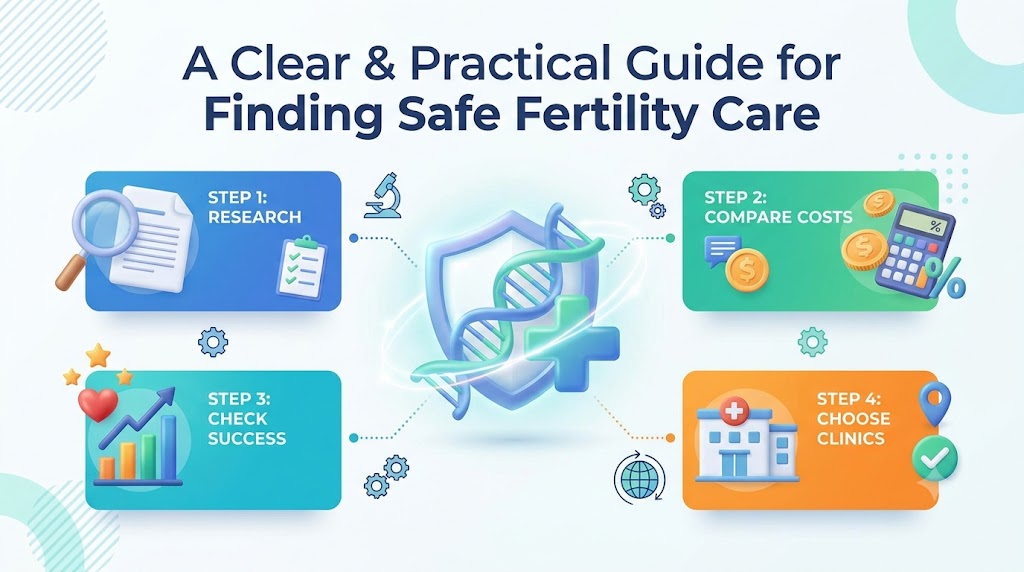
Structured preparation makes your clinical search manageable and stress-free. First, establish your family building goals and your overall spending ceiling. Next, identify licensed providers in your region and examine their doctors' credentials. Contact each clinic to request itemized fee schedules and verified live-birth data. Inquire whether your care plan requires extra techniques like ICSI or cryopreservation. Calculate airline, hotel, and leave expenses if you consider overseas centers. Write down questions regarding weekend coverage, communication protocols, and emergency procedures. Bring these notes to your initial physician consultation to choose your next step wisely.
Frequently Asked Questions
1. Which steps occur during an assisted cycle?
Patients use prescribed hormone medications to stimulate multiple egg follicles. Next, a doctor performs a brief outpatient retrieval under mild sedation. Scientists combine the retrieved eggs with sperm inside the laboratory dish. The resulting embryos mature inside specialized incubators for several days. Finally, the physician transfers an embryo into the uterus. The entire treatment cycle spans about three to four weeks.
2. Do patients encounter significant physical discomfort?
Patients generally report manageable, mild physical sensations during treatment. Daily hormone injections produce mild skin bruising or lower abdominal bloating. The egg retrieval procedure occurs while patients sleep under light anesthesia, preventing acute pain. Light cramping often follows the retrieval for a day or two. Most individuals resume light routines quickly, though patients should promptly notify their medical team if sharp discomfort develops.
3. What financial investment does a cycle require?
Treatment costs vary widely based on your geographical region and unique care needs. A complete medical cycle generally costs thousands of dollars out of pocket. Final statements combine professional fees, imaging, laboratory monitoring, and prescription medications. Specialized hormonal drugs represent a major portion of the overall expense. Always secure a detailed, written price breakdown from your clinic before starting any active protocols.
4. Can any clinic guarantee a baby?
Ethical fertility clinics never promise guaranteed outcomes. Human biology remains complex, and individual cell development varies dramatically between people. Certain eggs fail to fertilize, while some embryos stop dividing during incubator culture. Transferred embryos also might fail to attach to the uterine lining. Dependable fertility doctors discuss realistic medical expectations openly, avoiding exaggerated claims about guaranteed pregnancies.
5. Where do IVF and ICSI differ?
Conventional laboratory fertilization places many sperm cells beside an egg in a dish, allowing natural penetration. ICSI uses micromanipulation tools to place a single selected sperm directly into the egg's cytoplasm. Specialists select ICSI to resolve male-factor fertility hurdles like low sperm count or poor mobility. Standard IVF relies on self-directed fertilization, whereas ICSI provides mechanical assistance to initiate the fertilization process.
6. Why does biological age influence cycle outcomes?
Chronological age directly influences both the quantity and genetic stability of human eggs. Younger individuals possess larger egg reserves that maintain fewer chromosomal irregularities. As years advance, ovarian reserves decline and genetic errors occur more frequently. These cellular shifts make successful embryo development more difficult. Older individuals frequently require multiple retrieval cycles to secure genetically healthy embryos for transfer.
7. What medical risks accompany these procedures?
Assisted reproductive treatments carry small, identifiable medical risks. A small fraction of patients develop ovarian hyperstimulation syndrome from fertility medications, causing abdominal swelling. Minor bleeding or localized infection can occasionally follow surgical egg pickup. Transferring multiple embryos raises the odds of carrying twins, which increases maternal and fetal health complications. Working with careful doctors minimizes these clinical risks.
8. Is cross-border fertility care a wise choice?
Traveling abroad can decrease direct clinical fees and shorten waiting periods for specific donor services. However, cross-border patients must fund plane travel, extended hotel stays, and transportation. Language hurdles and foreign health laws can complicate your journey. Patients also need established local doctors to coordinate monitoring scans before departure and manage early pregnancy checks after returning home safely.
9. How many years do frozen embryos last?
Cryopreserved embryos remain viable inside liquid nitrogen freezers for many decades. Ultra-low temperatures halt all biological degradation without harming delicate cell architecture. Long-term studies show that embryos stored for ten years yield pregnancy rates comparable to recently frozen cells. Clinic storage facilities charge recurring annual fees to maintain safe storage tanks, liquid nitrogen reserves, and monitoring alarms.
10. How many embryos should a doctor transfer?
Modern reproductive specialists recommend transferring a single high-grade embryo during each cycle. Single-embryo transfers dramatically decrease the likelihood of twin or triplet pregnancies. Multiple gestations elevate the risk of premature labor, low birth weight, and maternal health issues. Physicians reserve dual-embryo transfers for select, complex medical situations. Your clinical team will help you establish a safe transfer strategy.
11. Can daily lifestyle habits improve treatment odds?
Nutritious daily habits establish a healthy physiological foundation for reproductive treatments. Eating balanced whole foods, maintaining regular sleep, and drinking sufficient water support general wellness. Avoiding tobacco smoke and heavy alcohol protects both egg and sperm vitality. However, lifestyle changes cannot overcome severe structural or genetic fertility barriers. Combine healthy personal routines with professional medical guidance from your physician.
12. What steps begin the clinic research process?
Gather objective, verified clinical data through educational portals like IVFHospitalsNow. Learn core medical vocabulary so you can participate actively during consultations. Compile a working list of accredited clinics within your home area or target destination. Request full fee sheets and age-specific birth records from each prospective clinic. Finally, schedule an initial consultation with a qualified doctor to evaluate your individual medical profile.
Conclusion
Choosing a fertility clinic requires careful research, transparent facts, and thoughtful consideration. Step past surface-level marketing and resist choosing a center based solely on discounted prices or single success percentages. Evaluate physician certifications, laboratory protocols, transparent cost schedules, and post-procedure communication. Independent platforms like IVFHospitalsNow help you evaluate verified clinical details with total clarity. Every patient brings a distinct medical history to this personal journey. Take time to collect clear written estimates, protect your emotional health, and discuss all treatment decisions directly with licensed reproductive specialists.