Helpful Steps For Navigating Online Application Catalogs And Selecting Right Tools
Introduction
Modern teams face a giant sea of digital tools, which makes shopping tricky. Software creators launch hundreds of brand-new products every week across the globe. Rushing into a fast deal often leads to lost dollars and painful headaches. Smart shoppers look at honest software reviews before they pull out a company credit card. They scan an organized software directory to see all their choices arranged neatly. A careful software comparison cuts out costly guesses and points you to the best software tools for your goals. So, spending twenty minutes on simple research today saves months of trouble tomorrow.
What is BestAIToolix.com
BestAIToolix serves software buyers by offering clear product data and honest evaluations. The portal collects thousands of tech products across business categories like cloud computing, team boards, customer marketing, and online security. Visitors study independent software reviews that point out real benefits alongside missing pieces. Instead of boosting vendors for money, this hub groups products by true merits and features. You gain instant access to verified pricing, system requirements, and user limits without digging through sales hype. Because the site lays out everything clearly, anyone can pinpoint the right tools without stress.
Why Software Comparison Matters
Testing multiple tools side by side prevents huge billing surprises down the line. A detailed software comparison shows whether a program actually matches your daily workflow. You get to check connection options, security layers, customer help channels, and expansion limits at a single glance. Many programs look fine on paper, yet they crash when teams add more workers. Putting two or three options in a head-to-head match helps you spot weak spots early. That way, you only invest in products that help your company thrive. Evaluating key software buying factors requires asking straightforward questions:
- Starting Cost: This is the bill you pay each month, so ask if the price fits your team budget.
- Core Abilities: These are the tasks the app handles, so ask if it can finish your main daily chores.
- Simple Layout: This shows how fast people master the screens, so ask if workers can learn it by Friday.
- App Bridges: These are links between programs, so ask if it will pass records to your other apps.
- Data Shield: This is defense against bandits, so ask if the maker keeps customer files private.
- Live Help: This is the tech crew fixing errors, so ask if you can reach a real human fast.
How to Compare AI Tools
Smart buyers examine their core needs before testing any automated assistant. When you compare AI tools, always look at output quality, response speeds, and monthly token caps. Many products show fancy demos, but they fail during actual office tasks. You must check data policies so the robot never shares private customer names with outside computers. Browsing a focused AI tools directory lets you filter assistants by task, cost, and language skills. Popularity never guarantees quality, so judge each candidate on daily results. Finding the best AI tools simply takes a clear checklist and a few realistic practice runs.
Using a Software Directory
Navigating an online software directory gives shoppers a massive head start on any tech project. These digital libraries arrange complex programs into clear fields like bookkeeping, team chatting, web hosting, and database management. Instead of running dozens of random web searches, you browse a single catalog of tested options. BestAIToolix even tracks advanced tech like DevOps engines, cloud monitoring, and modern human resource suites. Such broad catalogs show hidden gems that normal search engines frequently miss. In the end, a solid directory spares your staff endless hours of boring web research.
Real-Life Scenarios
- An independent bakery owner needs a faster way to track flour orders and daily income. She consults a digital catalog, finds three bookkeeping apps, and runs seven-day trials on two of them. She quickly buys the tool that connects directly to her cash register.
- A high school history coach wants to turn old lecture notes into fun flashcards. He checks an online directory to compare automated study builders. He selects an affordable assistant that finishes his study cards in five minutes.
- A graphic design agency needs a safe cloud drive for giant poster files. The team reads independent reviews to check download speeds and server safety records. They pick a protected storage plan that stops data leaks completely.
Check Evidence Before You Trust a Claim
Flashy sales pages often paint a perfect picture that hides real product flaws. Clever marketers promise the fastest speeds, yet their software might crash during heavy workloads. Smart managers protect their budgets by demanding hard evidence before signing any annual contract. You must verify core features, look up real support hours, and inspect pricing sheets for hidden upgrade fees. When vendors leave out key data, honest research sites flag those spots as unconfirmed. Independent software reviews provide unbiased facts from everyday users who ran the software under heavy pressure.
Common Mistakes to Avoid
Rushing your software purchases can waste precious funds and frustrate your staff. Here are eight frequent traps, along with simple ways to steer clear of them:
- Chasing popular trends: Other companies might have completely different needs, so list your personal requirements first.
- Ignoring hidden setup costs: Surprise fees ruin yearly budgets, so ask for an all-inclusive price quote upfront.
- Bypassing hands-on testing: Sales videos leave out annoying bugs, so run a full team trial for two weeks.
- Skipping worker input: Staff members must use the software every day, so ask your staff for direct feedback.
- Forgetting about data safety: Stolen company records destroy trust, so check encryption standards and backup tools.
- Selecting bloated programs: Hundreds of buttons slow people down, so pick clean tools that do the core work well.
- Overlooking software connections: Isolated apps force endless manual typing, so check for direct software bridges.
- Missing future growth limits: Tiny user caps block expanding firms, so choose tools that scale smoothly as your team grows.
How BestAIToolix Can Help
BestAIToolix steps in as an impartial research center for busy workers seeking reliable software. Its extensive software directory sorts thousands of business apps into clean, readable profiles. Shoppers who need modern assistants can explore the AI tools directory to spot fresh options that boost output. Because the site posts independent software reviews, visitors read balanced feedback rather than paid promotional hype. The scoring system highlights proven facts, notes missing items, and ignores cash sponsorships. As a result, the platform serves as an ideal software buying guide for every company purchase.
A Simple Software Buying Guide
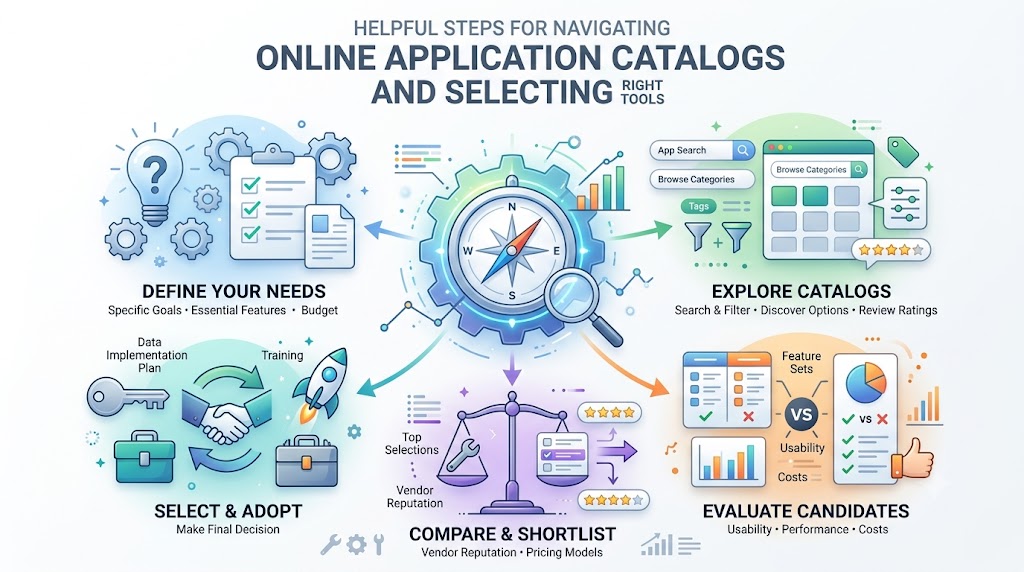
Following an orderly purchase path keeps your digital investments on the right track. Move through each phase carefully so you grab the best product on your very first try:
- Step 1 - Spot the bottleneck: State the exact business headache you want to cure.
- Step 2 - Jot down needs: Create a clean list of required buttons and functions.
- Step 3 - Set your spending cap: Fix the highest price your company can afford each month.
- Step 4 - Search top catalogs: Browse an open directory to spot candidate applications.
- Step 5 - Draft a shortlist: Pick the three strongest tools that meet your basic standards.
- Step 6 - Match features directly: Compare your candidates side by side to see which one stands out.
- Step 7 - Validate key details: Read privacy policies, uptime guarantees, and customer reviews.
- Step 8 - Launch a live trial: Test every candidate tool using actual daily business files.
- Step 9 - Gather crew reactions: Ask your coworkers which application felt easiest to handle.
- Step 10 - Seal the purchase: Pick the program that provides top value for your dollars.
Frequently Asked Questions
1. What does an online software directory do?
This type of website organizes thousands of applications into helpful categories. Users discover business platforms, security apps, and creative tools without running endless web searches. Each listing displays essential details like system compatibility, starting rates, and primary functions. It cuts down research time by gathering the tech world in one location.
2. Can software comparisons really save my company money?
Running a side-by-side comparison keeps teams from buying overpriced apps that deliver very little value. It reveals cheaper alternatives that accomplish identical tasks with less fuss. You also avoid expensive cancellation fees by picking the right tool straight away. Small comparisons lead directly to massive long-term savings.
3. How can I separate genuine reviews from paid advertisements?
Authentic critiques discuss product flaws, system freezes, and tricky menus alongside positive traits. If an article only showers the developer with endless praise, treat it with caution. Seek out independent software reviews on neutral research portals. Dependable platforms never trade favorable scores for vendor cash.
4. What traits define an effective AI tool?
An effective artificial intelligence program delivers accurate results in seconds without demanding weeks of training. It protects your private data by following strict privacy laws. It also includes reasonable usage limits and fair pricing plans. Clear screens and reliable performance matter far more than flashy marketing claims.
5. Do free business software packages offer enough power?
Starter companies often achieve great results using free starter tiers for basic scheduling, chat, and notes. However, free packages usually limit storage space, team seats, and live customer assistance. Growing operations eventually need paid upgrades to safeguard sensitive customer data and unlock deeper automations.
6. Why do companies conduct business software comparisons?
Enterprises carry out these evaluations to select platforms that align with their security rules and worker counts. Managers study user permissions, data export choices, and technical stability before adopting software. This careful vetting shields the business from lost productivity and dangerous data exposures down the road.
7. How does BestAIToolix organize its product rankings?
The platform assesses programs through verifiable facts, customer feedback, and independent testing results. It evaluates pricing clarity, technical connections, and privacy compliance across every candidate. Because commercial deals never dictate positions, shoppers receive an honest view of the software space.
8. What information belongs in a practical software buying guide?
A complete guide walks readers through problem identification, feature mapping, budget checks, and trial runs. It provides clear comparison charts and highlights common purchase traps. Readers learn how to inspect privacy terms, confirm support hours, and collect team feedback before making commitments.
9. Why must new applications connect with existing tools?
Software connections let different systems exchange information automatically throughout the day. When apps share records, staff members avoid typing identical details into multiple databases. This smooth flow eliminates silly transcription mistakes and saves workers several hours every week.
10. What is the best way to handle a free software trial?
Feed real business tasks and typical work files into the system right away. Invite two or three teammates to test the screens during their normal work routines. Watch for confusing buttons, slow loading screens, and missing export tools before the trial period runs out.
11. Does cloud storage protect business information better than local hard drives?
Reputable cloud providers run heavy encryption protocols and store duplicate backups across secure data centers. They patch security holes much faster than a standard home office can manage. Even so, your staff must still use unique passwords and two-step sign-ins to keep intruders out.
12. How should a buyer react when a vendor conceals its pricing?
Hidden fees usually signal expensive enterprise contracts and aggressive sales calls. Ask the vendor directly for a full breakdown of their per-seat rates and setup costs. If the sales agent refuses to provide clear numbers, look for an open option inside a trusted directory.
Conclusion
Every successful software purchase begins with a crisp understanding of your daily office challenges. Draft your feature list early, establish a realistic budget, and compare competing apps side by side using verified facts. Always test live trials with your staff members so you can observe the system during typical workdays. Guard against vendor claims by confirming security measures and checking third-party user feedback. Platforms like BestAIToolix provide the perfect launchpad for your next software evaluation by offering objective data and clean comparisons.